


Understanding
psoriatic arthritis
psoriatic arthritis
Quick facts about psoriatic arthritis
Active psoriatic arthritis (PsA) is an inflammatory joint
disease causing joint pain, stiffness, and swelling.
About 1 in 3 people with psoriasis (PsO) may also develop PsA.
Could this be you?

Plaque PsO is a chronic, immune-related skin condition characterized by red, scaly plaques that can itch or burn.
Many people with plaque PsO may progress to active PsA without realizing it, as symptoms from active PsA can often be mistaken for other conditions.
If you have plaque PsO and notice joint pain, stiffness, or swelling, talk to your doctor. These symptoms may be associated with active PsA. Early diagnosis and treatment are key.
If left untreated, active PsA could cause permanent joint damage.
Some of the most common symptoms of psoriatic arthritis are:

joint pain, stiffness, or swelling in one or more joints
joint pain, stiffness, or
swelling in one or more joints

red or warm joints

“sausage-like” swelling in your fingers and toes
“sausage-like” swelling
in your fingers and toes
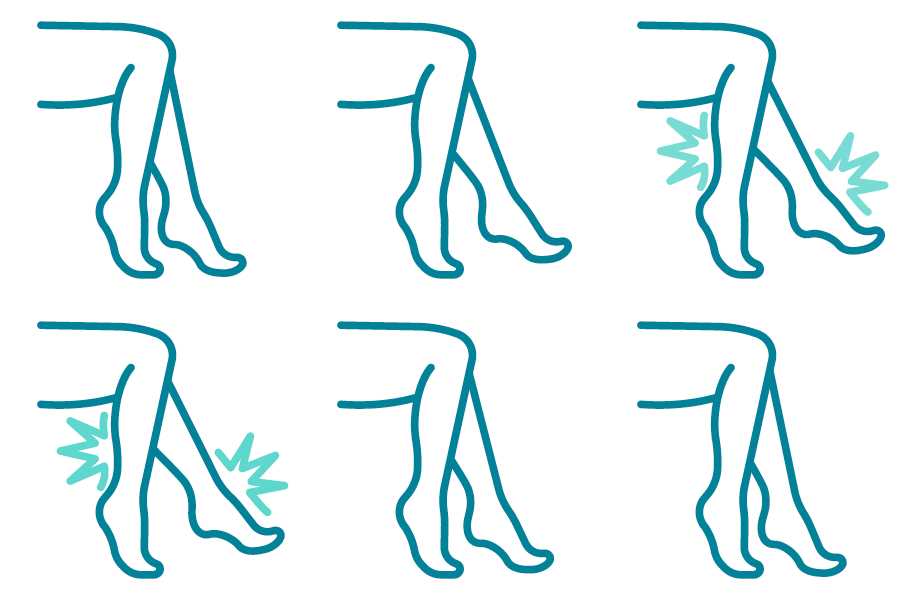
pain in and around your feet and ankles
pain in and around
your feet and ankles

thick, red, scaly patches on your skin
thick, red, scaly
patches on your skin
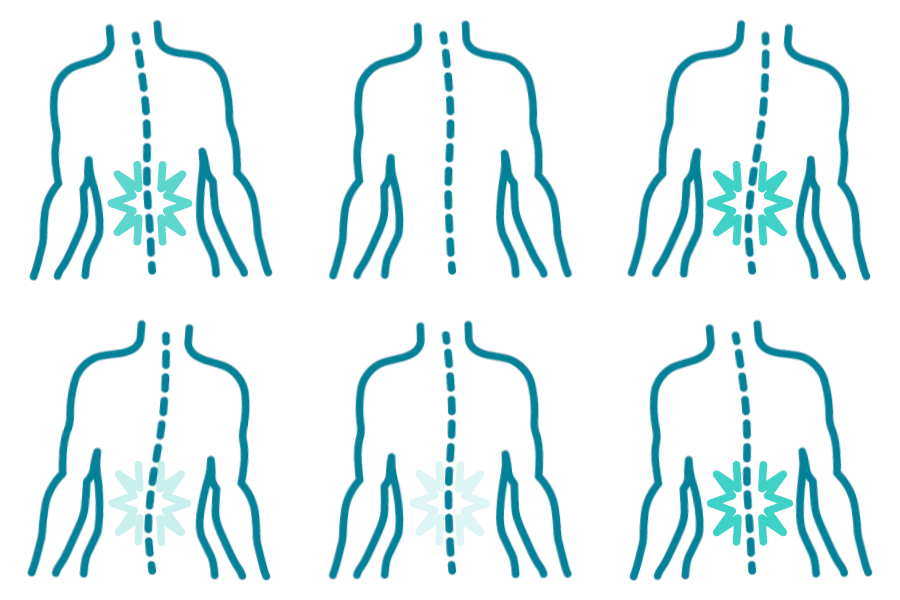
lower back pain and stiffness

PsA-related fatigue
There is no definitive test that can determine whether you have the symptoms of
psoriatic arthritis. If the pain, stiffness, and swelling are not caught early,
they can worsen over time and permanent joint damage can occur.
Knowing more can give you the confidence to speak with your doctor and/or
rheumatologist about getting the right diagnosis and treatment option for you.
Permanent damage from active PsA can start before you notice symptoms
Frequently Asked
Questions
Disease Basics
If you have psoriatic arthritis, your immune system attacks healthy tissue like the skin and joints. That's why it's called an autoimmune disease.
About 85% of people with psoriatic arthritis also have psoriasis on the skin.
It’s a chronic, or long-term, disease, and we don’t know the exact cause. If you have psoriatic arthritis, your immune system attacks healthy tissues like the skin and joints. That’s why it’s called an autoimmune disease.
Psoriatic arthritis includes symptoms in areas such as the joint and skin. People often mistake these symptoms as being a part of two separate conditions, but they might be connected.
- PsA affects up to 1% of the US population
- Including up to 30% of patients with psoriasis (but frequently undiagnosed)
- Often appears between ages 30 and 50
- About the same number of women and men have psoriatic arthritis
- It’s more common in Caucasians than African Americans, Hispanic Americans, and Asian Americans
- About 1 in 3 people with psoriasis may also develop PsA
While there is no cure, there are treatment options that can help relieve these joint symptoms so you can do everyday activities with less difficulty.
Because psoriatic arthritis is presented differently in different people, healthcare providers should work with their patients to develop an appropriate treatment plan.
Disease Progression
Active PsA could cause permanent joint damage if left untreated.
If the pain, stiffness, swelling, and skin symptoms are not caught early, they can worsen over time and permanent joint damage can occur.
Symptoms & Diagnosis
The symptoms and appearance of psoriatic arthritis vary from person to person:
- joint pain, stiffness, or swelling in one or more joints
- red or warm joints
- "sausage-like" swelling in your fingers and toes
- pain in and around your feet and ankles
- thick, red, scaly patches on your skin
- lower back pain and stiffness
- PsA-related fatigue
Find a nearby doctor who treats psoriatic arthritis
Have more questions about psoriatic arthritis? Use this Healthgrades™ tool to find nearby rheumatologists with experience in treating adults with active psoriatic arthritis (PsA).
