



TREMFYA® Legacy
TREMFYA® has 17+ years of combined clinical research* and 9+ years on the market across indications.
*Based on a clinical trial of TREMFYA® initiated in 2009.
IN ADULTS WITH ACTIVE PSORIATIC ARTHRITIS (PsA)
TREMFYA® goes beyond the skin
TREMFYA® was approved to treat adults with moderate to severe plaque psoriasis (PsO) who may benefit from taking injections or pills (systemic therapy) or phototherapy (treatment using UV light) in 2017 and was approved to treat adults with active PsA in 2020.
TREMFYA® is a biologic treatment and is the first medication of its kind to be approved by the Food and Drug Administration for PsA.

Results with TREMFYA®:
less joint pain, stiffness, and swelling
Results with TREMFYA®:
less joint pain, stiffness,
and swelling

At 24 weeks
At 24 weeks
In two medical studies, more than 5 out of 10 people who took TREMFYA® had at least a 20%
improvement in active PsA symptoms (joint pain,
stiffness, and swelling) at 24 weeks compared to
placebo. Individual results may vary.

At 2 years
At 2 years
One medical study showed that less joint pain, stiffness, and swelling is possible even at 2 years.†
†For patients who continued on TREMFYA® for 2 years, a similar percentage (7 out of 10 patients) saw a 20% improvement in PsA symptoms at 2 years. At 24 weeks and thereafter, patients and healthcare providers knew that TREMFYA® was being used. This may have increased results. Individual results may vary.
†For patients who continued on TREMFYA® for 2 years, a similar percentage (7 out of 10 patients) saw a 20% improvement in PsA symptoms at 2 years. At 24 weeks and thereafter, patients and healthcare providers knew that TREMFYA® was being used. This may have increased results. Individual results may vary.

Reduced joint symptoms
In another medical study, more than 6 out of 10 patients taking TREMFYA® had at least a 20% improvement in active PsA symptoms (joint pain, stiffness, and swelling) at 24 weeks, compared to more than 4 out of 10 patients taking placebo. Individual results may vary.

Reduced further joint
damage by 2.5 times
In the same medical study, patients taking TREMFYA® also had 2.5 times less joint damage progression, as seen on X-ray images at 24 weeks, compared to placebo. Individual results may vary.
Joint damage can be permanent. TREMFYA® is the first and only treatment of its kind proven to help stop further joint damage.
TREMFYA® Safety Information
Ask your doctor about the benefits and risks of TREMFYA®. Prescription medications, including TREMFYA®,
have possible risks involved with treatment, so it’s important to discuss them with your doctor.
TREMFYA® may cause serious side effects, including:
- Serious allergic reactions. Stop using TREMFYA® and get emergency medical help right away if you develop any of the following symptoms of a serious allergic reaction:
- fainting, dizziness, feeling lightheaded (low blood pressure)
- swelling of your face, eyelids, lips, mouth, tongue or throat
- trouble breathing or throat tightness
- chest tightness
- skin rash, hives
- itching
- fainting, dizziness, feeling lightheaded
(low blood pressure) - swelling of your face, eyelids, lips,
mouth, tongue or throat
- trouble breathing or throat tightness
- chest tightness
- skin rash, hives
- itching
- Infections. TREMFYA® may lower the ability of your immune system to fight infections and may increase your risk of infections. Your healthcare provider should check you for infections and tuberculosis (TB) before starting treatment with TREMFYA® and may treat you for TB before you begin treatment with TREMFYA® if you have a history of TB or have active TB. Your healthcare provider should watch you closely for signs and symptoms of TB during and after treatment with TREMFYA®.
Tell your healthcare provider right away if you have an infection or have symptoms of an infection, including:
- fever, sweats, or chills
- cough
- shortness of breath
- blood in your phlegm (mucus)
- muscle aches
- warm, red, or painful skin or sores on your body different from your psoriasis
- weight loss
- diarrhea or stomach pain
- burning when you urinate or urinating more often than normal
- fever, sweats, or chills
- cough
- shortness of breath
- blood in your phlegm (mucus)
- muscle aches
- warm, red, or painful skin or
sores on your body different
from your psoriasis
- weight loss
- diarrhea or stomach pain
- burning when you urinate or
urinating more often than
normal
- Liver problems. With the treatment of plaque psoriasis or psoriatic arthritis, your healthcare provider may do blood tests to check your liver before and as necessary during treatment with TREMFYA®. Your healthcare provider may stop treatment with TREMFYA® if you develop liver problems. Tell your healthcare provider right away if you notice any of the following symptoms:
- unexplained rash
- vomiting
- tiredness (fatigue)
- yellowing of the skin or the whites of your eyes
- nausea
- stomach pain (abdominal)
- loss of appetite
- dark urine
- unexplained rash
- vomiting
- tiredness (fatigue)
- yellowing of the skin or the whites of your eyes
- nausea
- stomach pain (abdominal)
- loss of appetite
- dark urine
These are not all the possible side effects of TREMFYA®.
Please read the Important Safety Information located at the bottom of the screen and the Medication Guide for TREMFYA® to learn more about these and other risks for TREMFYA®. Discuss any questions you have with your doctor.
TREMFYA® may cause serious side effects including:
- See “What is the most important information I should know about TREMFYA®?”The most common side effects of TREMFYA® include:
- respiratory tract infections
- joint pain (arthralgia)
- fungal skin infections
- bronchitis
- skin rash (rash)
- headache
- diarrhea
- herpes simplex infections
- feeling very tired (fatigue)
- injection site reactions
- stomach flu (gastroenteritis)
- stomach pain
- fever (pyrexia)
These are not all the possible side effects of TREMFYA®. Call your doctor for medical advice about side effects. You may report side effects to FDA at 1-800-FDA-1088.
How often will you need
to take TREMFYA® ?
Day 1
1 injection on day 1
Week 4
1 injection 4 weeks later
Week 12 & beyond
1 injection every 8 weeks
You can take TREMFYA® by using the prefilled syringe, One-Press injector, or prefilled pen.
TREMFYA® is a single-dose 100 mg injection taken under the skin at weeks 0 and 4, and then every 8 weeks. That’s only 6 doses per year after 2 starter doses.
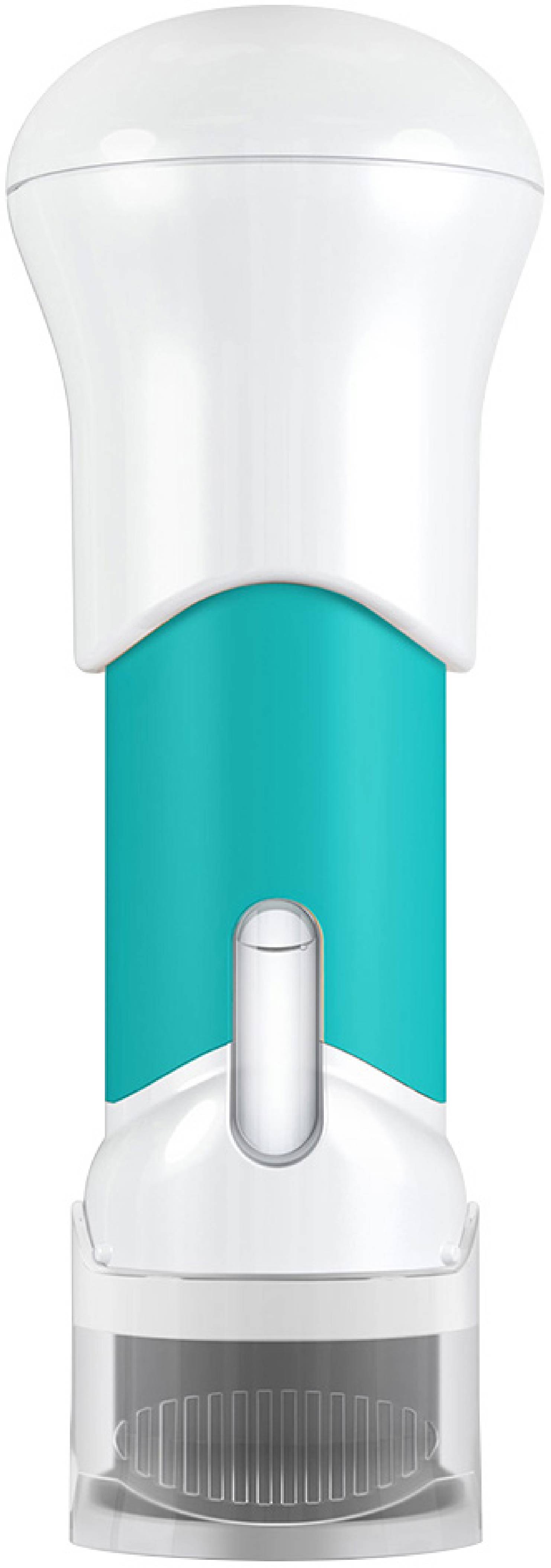
Not Actual Size
You can take TREMFYA® by using the prefilled syringe, One-Press injector, or prefilled pen.
TREMFYA® is a single-dose 100 mg injection taken under the skin at weeks 0 and 4, and then every 8 weeks. That’s only 6 doses per year after 2 starter doses.
If your healthcare provider decides that you or a caregiver may be able to give your injections of TREMFYA® at home, you should receive training on the right way to prepare and inject TREMFYA®. Do not try to inject yourself until you have been trained by your healthcare provider.
For children, TREMFYA® should be administered by a healthcare provider or an adult caregiver who has been shown the right way to give the injections by a healthcare provider.
Please read the Instructions for Use before using TREMFYA®, and each time you get a refill. There may be new information. These instructions do not take the place of talking with your healthcare provider about your medical condition or your treatment.
Want to know more about dosing with TREMFYA®? Click here.

Frequently Asked
Questions
Treatment
In two medical studies, more than 5 out of 10 patients treated with TREMFYA had at least a 20% improvement in active PsA symptoms (joint pain, stiffness, and swelling) at 24 weeks compared to placebo. Individual results may vary.
TREMFYA can help reduce the joint pain, stiffness, and swelling that make everyday tasks harder to do.
Patients' ability to perform everyday activities was assessed in a questionnaire. People taking TREMFYA showed an overall improvement in their ability to perform daily activities such as:
- dressing & grooming
- getting up
- eating
- walking
- washing up
- reaching
- gripping
- daily activities
Individual results may vary.
In two medical studies, more than 5 out of 10 patients treated with TREMFYA had at least a 20% improvement in active PsA symptoms (joint pain, stiffness, and swelling) at 24 weeks compared to placebo. Individual results may vary.
TREMFYA is the first and only treatment of its kind to help stop further joint damage.
In another medical study, more than 6 out of 10 patients taking TREMFYA had at least a 20% improvement in active PsA symptoms (joint pain, stiffness, and swelling) at 24 weeks, compared to more than 4 out of 10 patients taking placebo.
In the same medical study, patients taking TREMFYA also had 2.5 times less joint damage progression, as seen on X-ray images at 24 weeks, compared to placebo. Results may vary.
Dosing/Safety
You need to take TREMFYA according to the following schedule:
- Day 1: 1 injection on day 1
- Week 4: 1 injection 4 weeks later
- Week 12 & beyond: 1 injection every 8 weeks. TREMFYA is a single-dose 100 mg injection taken under the skin at weeks 0 and 4, and then every 8 weeks
The most common side effects of TREMFYA include:
- respiratory tract infections
- headache
- injection site reactions
- joint pain (arthralgia)
- diarrhea
- stomach flu (gastroenteritis)
- fungal skin infections
- herpes simplex infections
- stomach pain
- bronchitis
- feeling very tired (fatigue)
- fever (pyrexia)
- skin rash (rash)
These are not all the possible side effects of TREMFYA. Call your doctor for medical advice about side effects. You may report side effects to FDA at 1-800-FDA-1088.
Want to learn more about TREMFYA® ?
Start getting
personalized support
personalized support
